
The artificial intelligence revolution is no longer just a software challenge; it has fundamentally become a facilities engineering mandate. As organizations race to deploy AI factories, traditional building automation and power distribution systems are being pushed far beyond their historical limits. The immense thermal and electrical loads of modern computing require a complete reimagining of facility architecture.
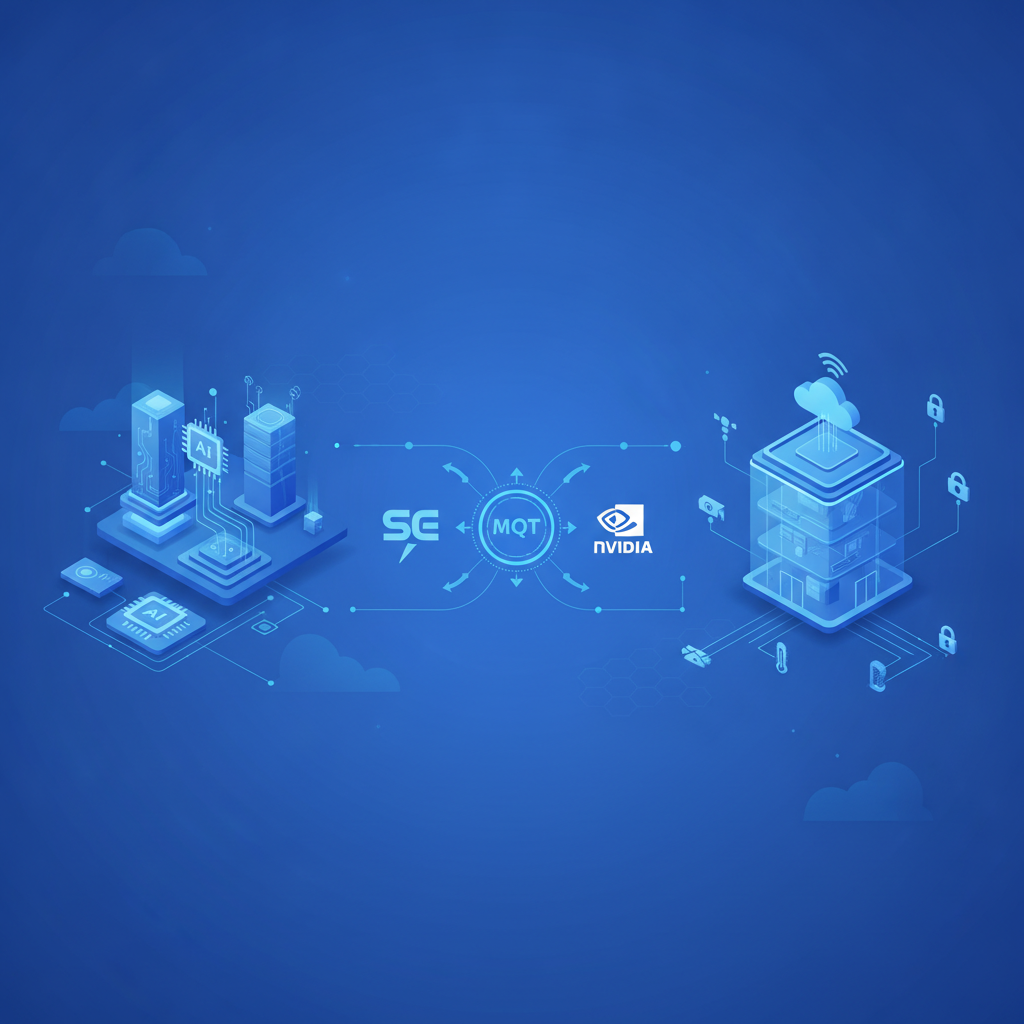
Addressing this critical bottleneck, Schneider Electric has unveiled new AI data center reference designs co-engineered with NVIDIA. Built specifically to support the next-generation Blackwell GPU architecture, these designs provide operators with a highly scalable blueprint for integrating complex power management, advanced liquid cooling, and robust operational telemetry.
The 142 kW Reality: Rethinking Power and Liquid Cooling
As rack densities skyrocket, legacy air-cooling systems are rapidly becoming obsolete. The newly announced reference design specifically targets the deployment of NVIDIA GB300 NVL72 racks, which can demand a staggering 142 kW per rack. Managing this density in a single data hall requires a paradigm shift in how we approach facility cooling and electrical infrastructure.
To support this, Schneider Electric has integrated Motivair liquid cooling technologies directly into the control systems framework. This transition to direct-to-chip and immersion cooling is not just about thermal management; it is about extending equipment lifecycles and maximizing compute density without compromising the structural integrity of the white space.
Furthermore, these designs are available under both ANSI and IEC configurations, ensuring that data center operators globally have standardized, validated frameworks to guide their facility power and IT space planning.
Bridging IT and OT Through the MQTT Protocol
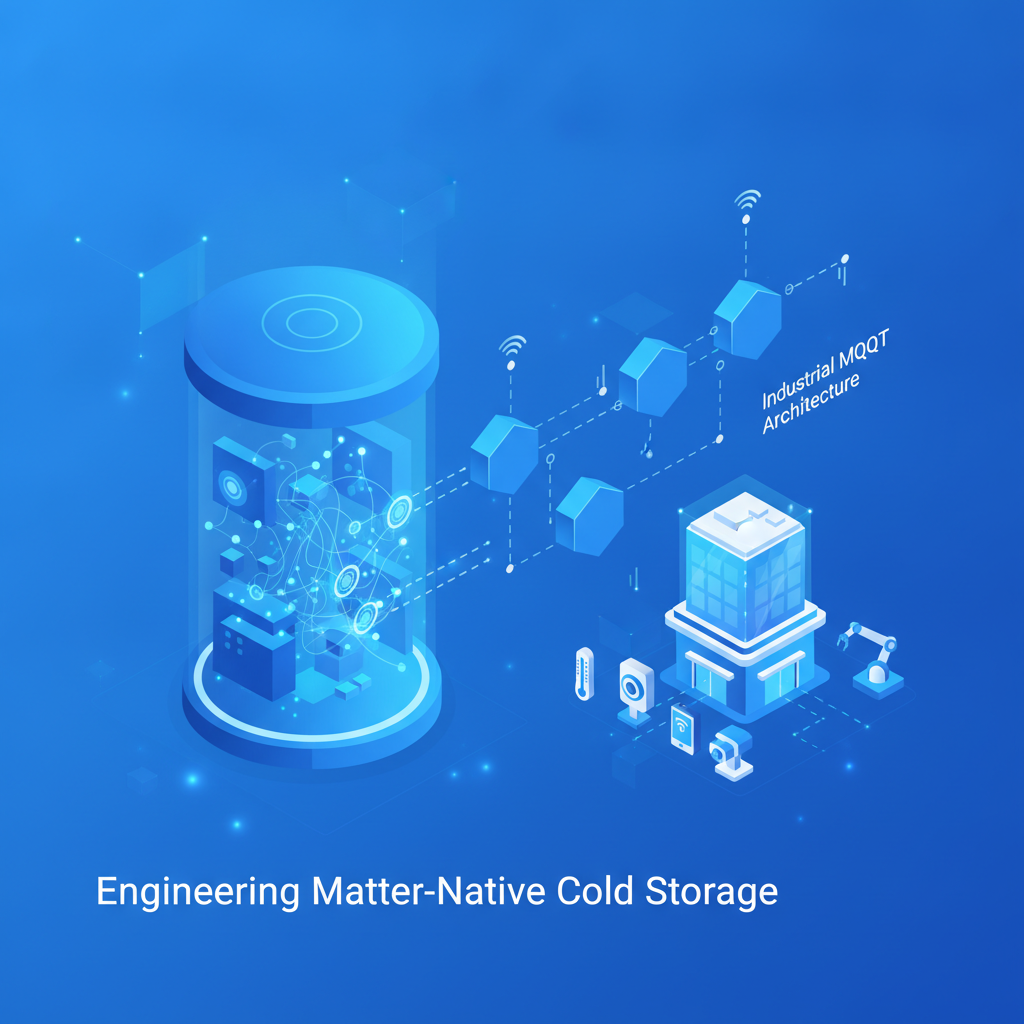
One of the most significant architectural advancements in this announcement is the deployment of a plug-and-play architecture based on the MQTT protocol. In the realm of industrial IoT, MQTT has proven to be the gold standard for lightweight, high-frequency telemetry, making it ideal for the extreme demands of AI workloads.
By leveraging MQTT, Schneider Electric effectively bridges the gap between Operational Technology (OT) infrastructure and Information Technology (IT) systems. This enables seamless, bi-directional communication between facility edge devices—like coolant distribution units (CDUs)—and advanced enterprise tools, including NVIDIA Mission Control.
This standardized interface allows tools such as digital twins and ML-based enterprise systems to consume power and cooling data in real-time. The result is a unified operational environment where facility managers can dynamically adjust cooling profiles based on the live computational load of the AI clusters.
ICS Security and Infrastructure Resiliency
With the convergence of IT and OT networks, maintaining rigorous ICS security and system resiliency is more critical than ever. As data centers transition into interconnected “smart buildings,” every operational endpoint becomes a potential vector if not properly isolated and authenticated.
The controls architecture in these new reference designs establishes highly redundant systems for power and cooling distribution. By continuously monitoring remote power panels (RPPs) and CDUs, operators ensure resiliency across both white and grey space environments, preventing cascading failures during peak AI processing times.
Moreover, the integration emphasizes precise power quality monitoring and peak power profiling. Securing this operational data ensures that automated environmental adjustments are based on uncompromised, accurate metrics, protecting millions of dollars of physical hardware.
Elevating Facility Operations with Building Automation
The scale and complexity of NVIDIA’s Blackwell architecture require a holistic approach to building automation. Managing an AI factory means orchestrating the macro-environment—chiller plants, lighting, security, and ventilation—in lockstep with the micro-environment of the server racks.
For facility managers tasked with maintaining these high-stakes environments, integrating platforms like BAaaS.io provides a vital strategic advantage. As a specialized cloud ecosystem for commercial properties, BAaaS.io unifies building infrastructure into a single, intelligent management sphere, utilizing real-time telemetry to optimize everything from HVAC performance to energy efficiency.
By combining Schneider Electric’s rack-level OT controls with the property-wide oversight of BAaaS.io, operators can achieve true proactive maintenance. Issues with power quality or cooling flow can be detected and localized instantly, significantly reducing a building’s carbon footprint while guaranteeing continuous uptime for critical AI workloads.
Conclusion
The collaboration between Schneider Electric and NVIDIA represents a pivotal leap forward in data center engineering. By standardizing liquid cooling integration and embracing the MQTT protocol for deep IT/OT convergence, they are providing operators with the tools necessary to tame the exponential demands of next-generation accelerated computing.
Ultimately, the success of tomorrow’s AI factories will hinge on robust smart building management. Facilities that leverage advanced operational architectures and comprehensive building automation will not only deploy AI infrastructure faster but will run it safer, greener, and far more efficiently.