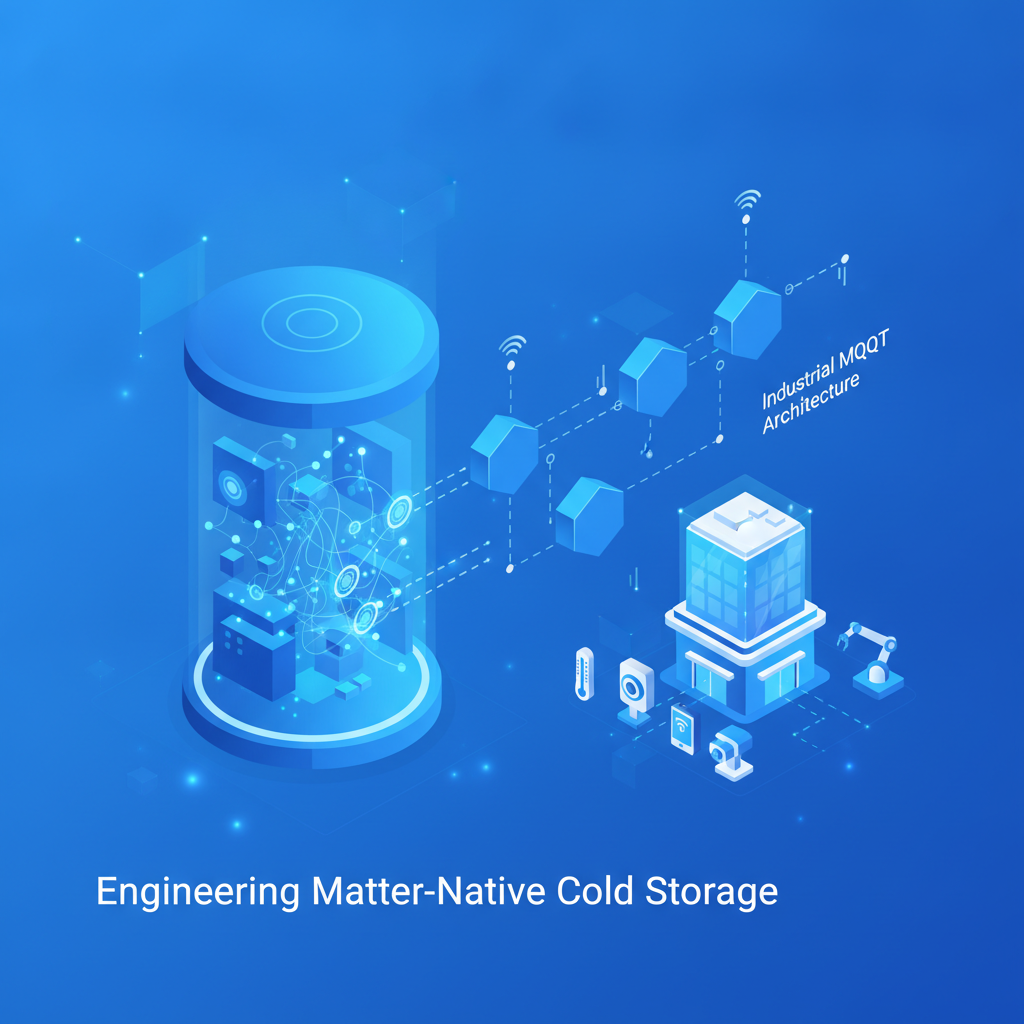

Remote monitoring and control are the lifeblood of modern Industrial IoT (IIoT) and smart buildings. However, as connected device deployments scale across enterprise portfolios, operators face a monumental hurdle: managing these vast fleets securely and efficiently. A recently outlined reference architecture by Ubuntu highlights the critical intersection of microservices, encrypted MQTT messaging, and edge orchestration required to solve this.
For building automation architects and facility engineers, mastering these foundational principles is no longer optional. The leap from fragmented edge devices to a unified, cyber-secure ecosystem is the baseline for resilient operations, improved energy optimization, and measurable ROI.
Shattering the Myth of a Universal Device Manager
No two IoT deployments are identical. A manufacturing floor has vastly different latency and security requirements compared to an enterprise smart building’s HVAC network. Because the hardware, protocols, and end-users vary drastically, a monolithic “one size fits all” approach simply fails in modern automation.
Deploying management services at the edge demands robust hardware capable of acting as an IoT cluster node. The computational horsepower of these gateways directly dictates the deployment’s CAPEX, influencing exactly how many devices a single gateway can securely manage.
This highlights the absolute necessity for a modular, microservices-based approach. Utilizing containerized applications, like strictly confined snaps on Ubuntu Core, ensures that mission-critical operational technology (OT) remains transactionally upgradable and fundamentally secure.
Ironclad Telemetry: Encrypted MQTT in the Field
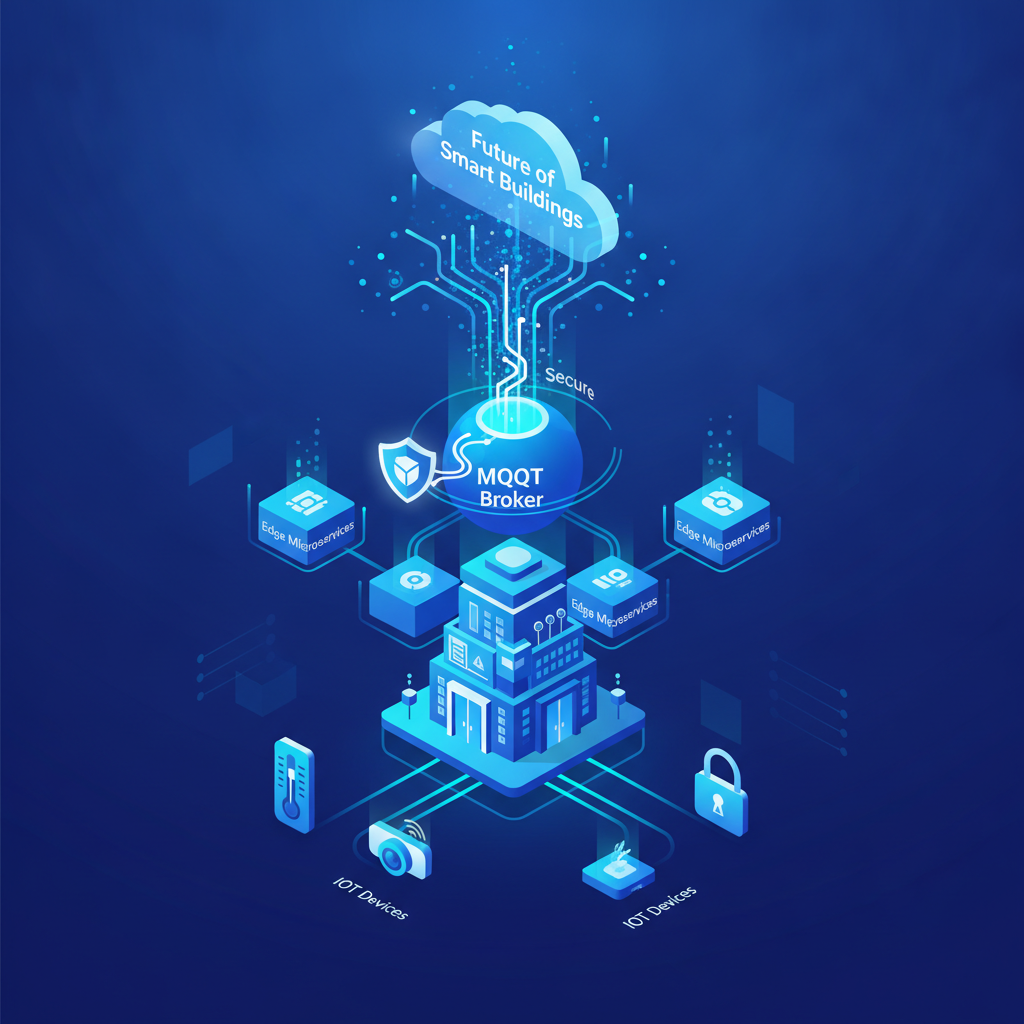
At the heart of any scalable building automation architecture is the message broker. MQTT, an ISO standard publish-subscribe messaging protocol, is perfectly tailored for the constrained bandwidth and intermittent connectivity often found in edge environments.
However, raw telemetry is inherently vulnerable. A true enterprise-grade architecture mandates encrypted communication ports and end-to-end payload encryption over the wire. This guarantees that environmental data, occupancy metrics, and equipment status cannot be intercepted or manipulated.
Certificate-Based Authentication
Beyond encryption, robust ICS security relies on strict client-server authentication. By issuing unique certificates from a central authority—where private keys remain securely locked on the physical device and never cross the wire—infrastructure remains practically invisible to unauthorized actors.
Orchestrating Digital Twins with Edge Microservices
Managing thousands of sensors requires treating physical assets as dynamic data constructs. By leveraging edge-hosted microservices, operators can stream real-time telemetry to build highly accurate digital twins of their HVAC, lighting, and security infrastructure.
Identity services play a critical role here, vetting public keys against authorized registries before granting broker access. This Zero-Trust alignment ensures that only verified devices can publish operational data to the overarching management UI.
Container orchestration platforms like Kubernetes then allow these critical services to scale across edge gateways. This provides the high availability and redundancy required for life-safety systems and critical environmental controls.
Unifying Edge Architectures with BAaaS.io
While building an open-source, edge-native architecture is a powerful engineering exercise, enterprise property operators need these technologies packaged into an actionable, seamless ecosystem. They require solutions that turn raw data into strategic operational value.
This is where BAaaS.io bridges the gap. By leveraging advanced telemetry and centralized control, BAaaS transforms complex IoT data streams into an integrated building information sphere. It abstracts the complexity of Kubernetes clusters and identity management into a user-friendly platform.
Instead of manually configuring edge microservices, facility teams can rely on the BAaaS platform for automated environmental adjustments, proactive maintenance scheduling, and robust role-based access control, ensuring immediate energy efficiency and tenant comfort.
Conclusion
The blueprint for secure IoT device management is clear: strictly isolated application containers, encrypted MQTT transport, and scalable edge orchestration. Open-source foundations provide the flexibility needed to adapt to any industrial environment.
By embracing these rigorous architectural standards and leveraging comprehensive platforms to manage them, operators can drastically reduce their cyber threat surface. The result is a smart building infrastructure that is not just highly connected, but intelligently secured and fully optimized for the future.