
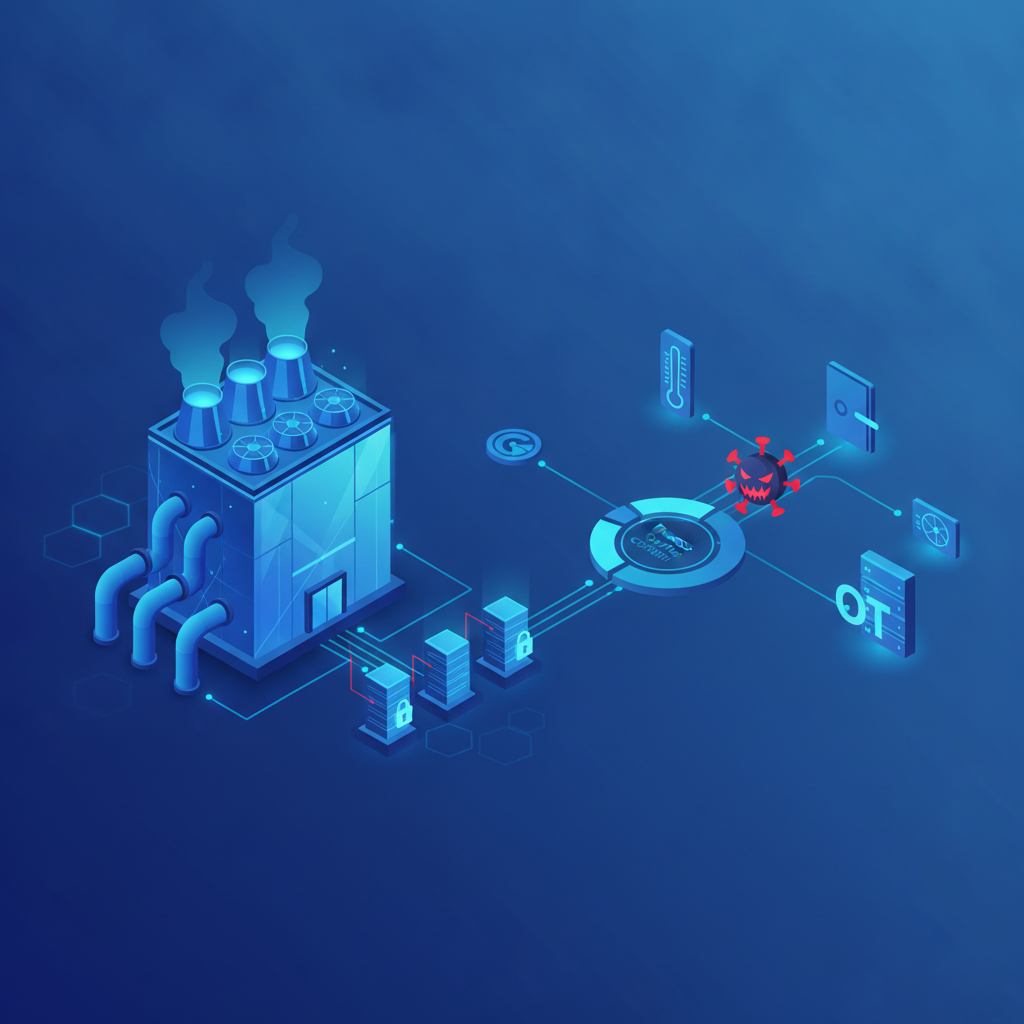
In late 2019, security researchers uncovered a pair of critical flaws in globally deployed process chillers. Scoring a massive 9.1 on the CVSS scale, the vulnerabilities allowed remote, unauthenticated attackers to toggle the units and alter temperature set points at will.
This incident served as a severe wake-up call for facility operators and plant managers. Process cooling—once viewed merely as a mechanical asset tied to a maintenance schedule—has permanently evolved into a highly networked control system demanding rigorous cybersecurity oversight.
The Expanding Attack Surface in Building Automation
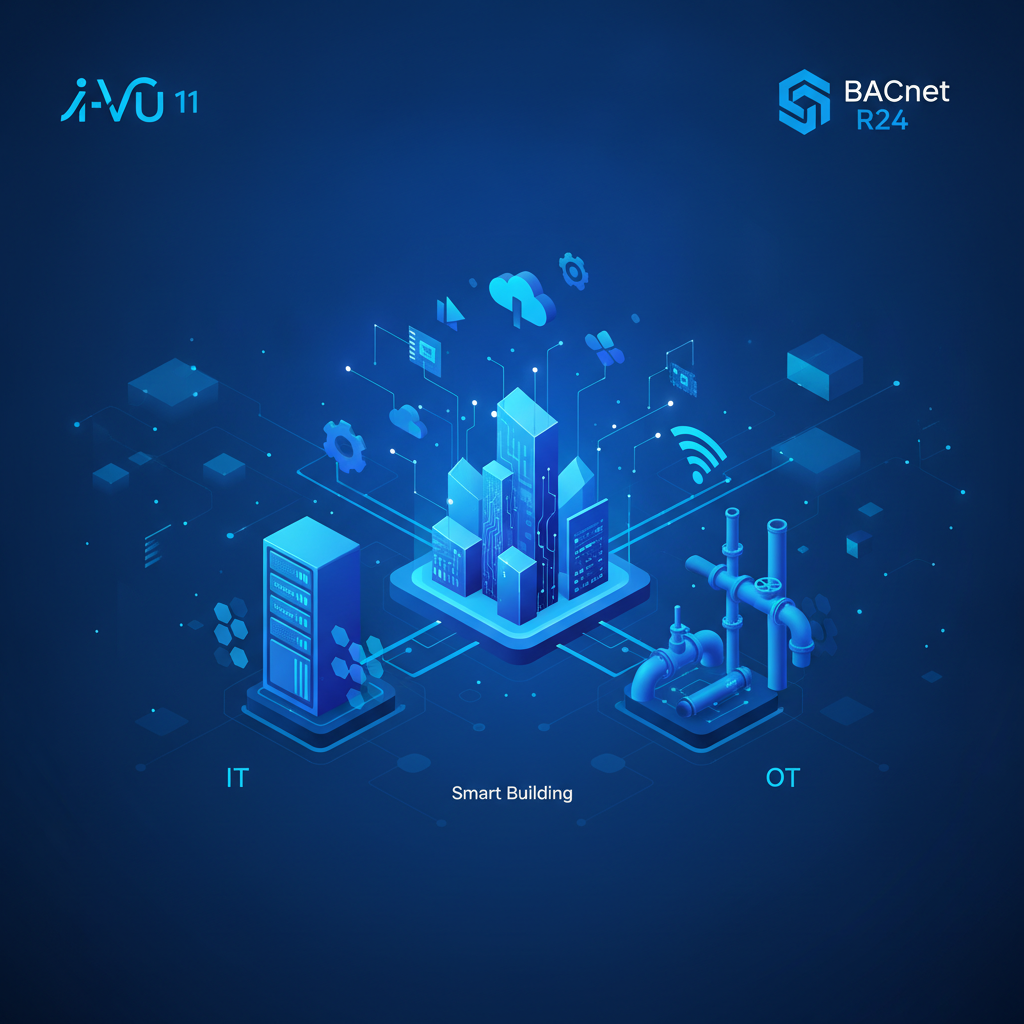
Historically, manufacturers and facility managers treated process cooling as a standard facilities line item. However, modern industrial chillers now ship with integrated web interfaces, cloud dashboards, and communication protocols like BACnet or Modbus over IP.
While these connected features enable deep insights and remote monitoring, every unchecked interface acts as an open door for malicious actors. In the realm of ICS security, an exposed chiller on a flat network is a ticking time bomb.
When critical HVAC infrastructure sits alongside energy and manufacturing environments, physical safety and operational uptime are directly tied to cyber resilience. Knocking a chiller offline isn’t just an IT glitch; it results in severe mechanical outages, spoiled product, and compounding financial losses.
Why the Air-Gap Strategy is Dead on Arrival
The traditional, knee-jerk reaction to securing vulnerable operational technology (OT) is to physically unplug the network cable. However, in today’s data-driven smart buildings, the air-gap approach rarely survives real-world operations.
Original Equipment Manufacturers (OEMs) demand continuous telemetry to honor warranties, while energy teams rely on trend data for tariff optimization. Furthermore, controls integrators need active network links to push critical alarms to human operators.
If you isolate the chiller entirely, you lose essential visibility. Inevitably, a well-meaning technician will bypass the air-gap by quietly plugging in an undocumented cellular gateway, introducing “shadow OT” and amplifying your security risks.
Securing Telemetry with Cloud-Native Ecosystems
Organizations must strike a balance between rigorous ICS security and the operational necessity of real-time data. You need continuous telemetry for automated environmental adjustments, but you cannot afford to expose local web UIs to the open internet.
This is where modern, centralized cloud ecosystems become critical. By adopting robust solutions like BAaaS.io, operators can safely unify their building automation networks and monitor property-wide infrastructure behind strict role-based access controls.
The BAaaS platform securely ingests real-time telemetry from chillers, HVAC, and lighting systems, enabling proactive maintenance and smart energy optimization. It seamlessly transforms siloed, vulnerable equipment into a secure, integrated building information sphere.
Actionable Strategies to Harden HVAC Systems
To align with modern regulatory frameworks like AS IEC 62443, organizations must treat process cooling with the exact same operational discipline applied to shop-floor programmable logic controllers (PLCs).
Network Segmentation and Credential Management
Never deploy a BACnet controller or chiller web UI on a flat corporate network. Isolate the equipment on a dedicated VLAN behind a firewall, restricting communication to authorized systems and jump hosts. Furthermore, eliminate all default credentials and enforce multi-factor authentication wherever the hardware supports it.
Monitor Set Points and Plan Patching
An unexplained temperature shift or compressor cycle at 2 a.m. is an active security signal, not a nuisance alarm. Set up strict out-of-band monitoring for state changes to catch malicious activity early. Finally, tie firmware updates to scheduled maintenance windows, ensuring vulnerable code doesn’t linger due to operational politics.
Conclusion
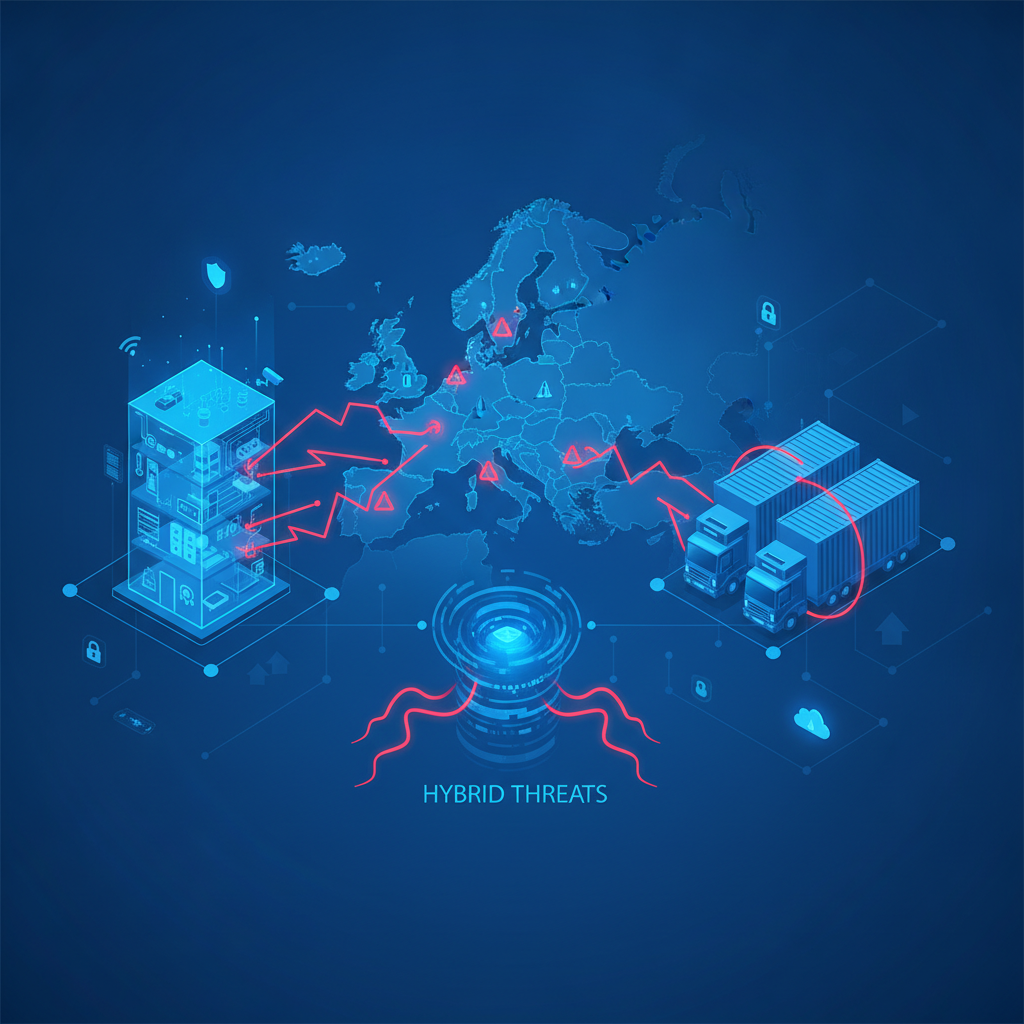
The era of treating smart building infrastructure as “fire-and-forget” mechanical assets is over. Regulators and threat actors alike now recognize process cooling and HVAC networks as prime targets within the OT ecosystem.
Securing these environments doesn’t require exotic technologies. It demands strong network hygiene, robust access controls, and a centralized strategy for safely managing building telemetry.
By treating process cooling as a critical pillar of your building automation security strategy, you can protect your facility from cyber threats while maximizing operational uptime and energy efficiency. The best time to secure these systems is always before an auditor—or an attacker—does it for you.