
In standard enterprise cybersecurity, threat hunting often revolves around familiar operating systems, well-documented API calls, and standard enterprise network traffic. However, when security professionals cross over into Operational Technology (OT) and industrial control systems (ICS), the landscape shifts dramatically. A recent three-day capture-the-flag (CTF) exercise hosted by Dragos highlighted this exact divide: technical proficiency alone is useless without deep operational context.
Practitioners can be exceptionally skilled at packet analysis and lateral movement tracking, yet find themselves completely blind when faced with industrial fieldbus networks. In environments where cyber events translate directly into physical actions, understanding the intent behind a command sequence is the difference between mitigating a localized fault and suffering catastrophic infrastructure failure.
The Reality Gap: Moving Beyond Standard IT to Modbus and BACnet
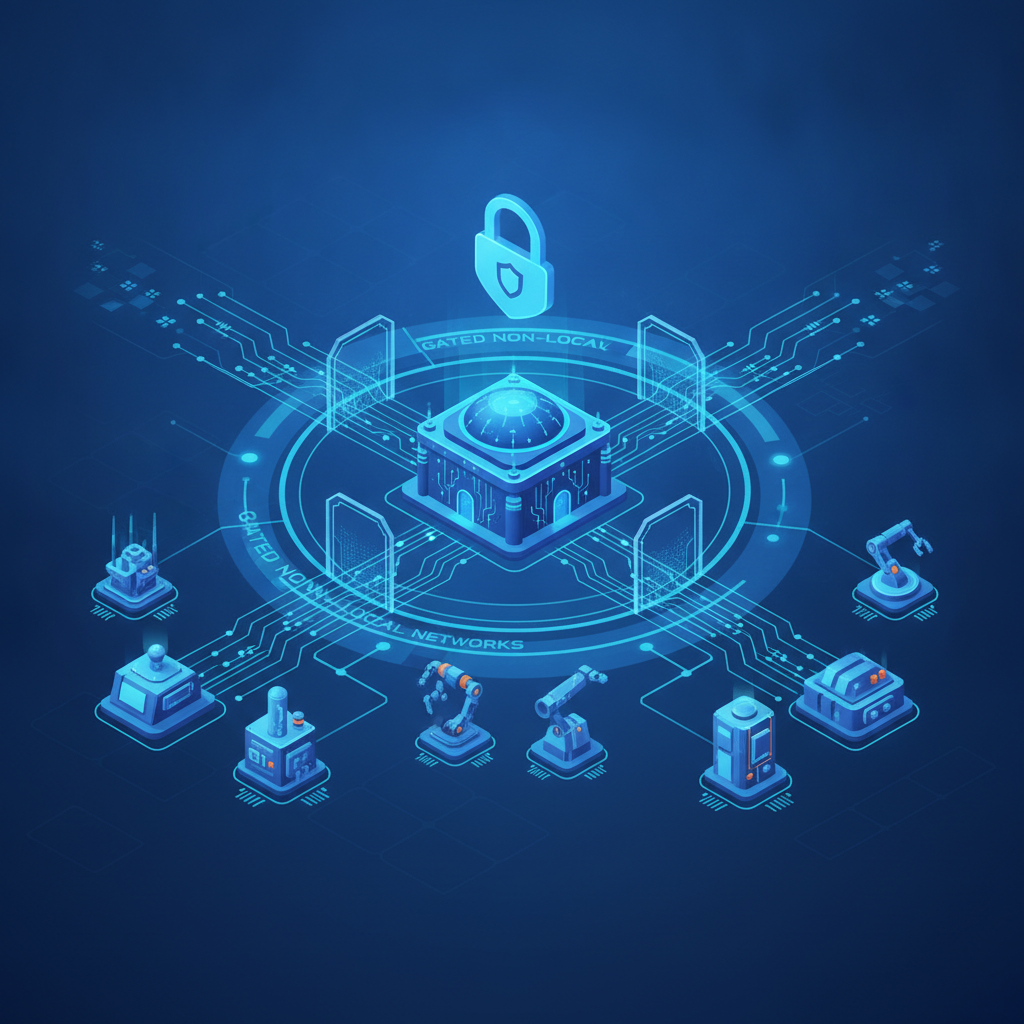
In traditional enterprise CTFs, analysts deal with familiar tools, protocols, and formats like DNS queries, HTTP headers, and Kerberos tickets. In an OT context, the challenge shifts toward industrial control protocols such as Modbus/TCP, BACnet, and proprietary PLC communications. An analyst may know how to isolate a TCP stream in Wireshark, but if they cannot interpret a Modbus function code or identify an anomalous register write, the forensic trail goes cold.
A Modbus write single register command is not inherently malicious; it is a standard operational function. Its threat level depends entirely on the target: Which controller received it? Does that controller govern cooling tower chilled-water valves, a variable frequency drive, or power distribution? Without understanding the physical engineering layer connected to that controller, an analyst cannot assess whether a packet represents routine automation or an intentional physical compromise.
Decoding the Narrative Behind Industrial Network Artifacts
Forensic analysis in operational technology is less about finding a signature match and more about reconstructing an operational sequence. During intensive exercises, network diagrams, human-machine interface (HMI) logs, and programmable logic controller (PLC) states must be stitched together. A packet capture is not simply an isolated series of hex values; it represents an active narrative within an engineered physical system.
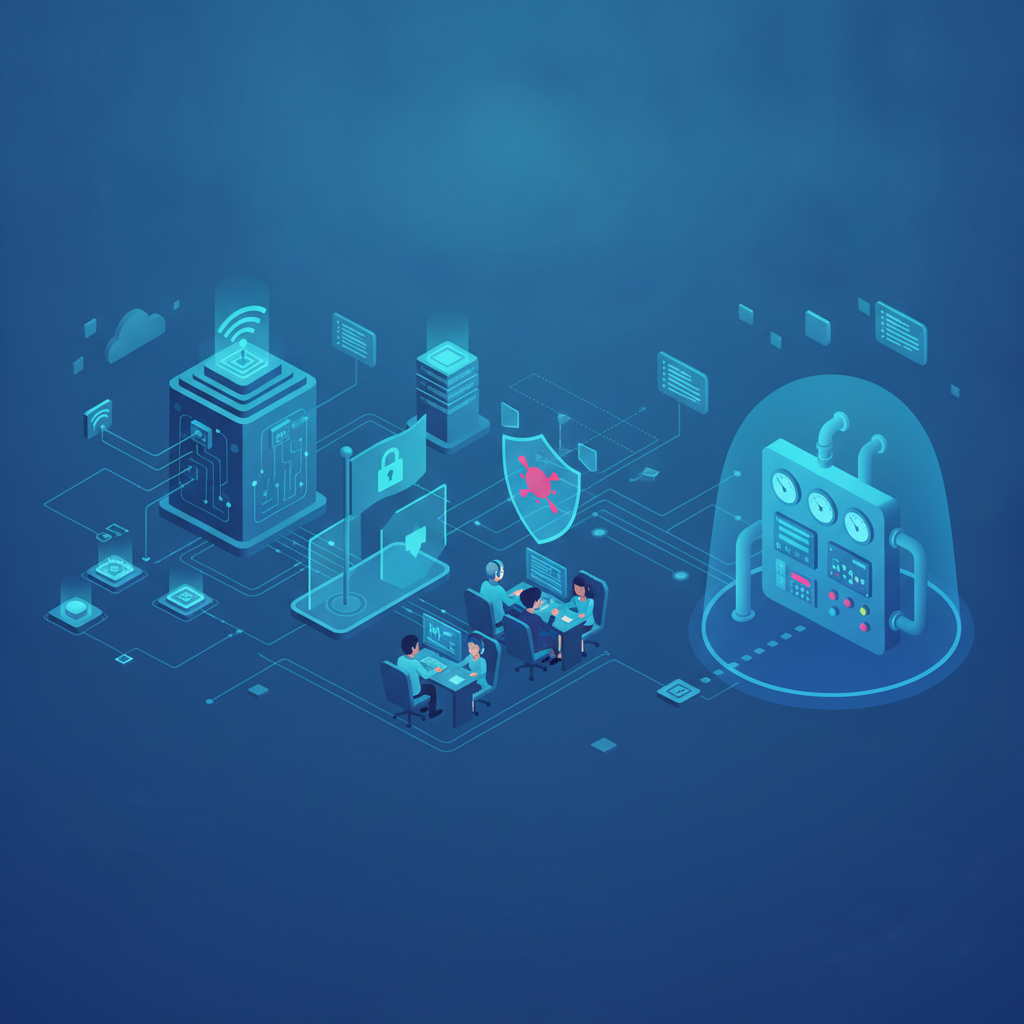
Hands-on CTF exercises force defenders to think sequentially. Real-world incident response rarely provides neat, pre-packaged alerts. By working through raw PCAP captures, decoding obfuscated payloads, and tracing an attacker’s movement from an edge gateway down to field controllers, engineers build the analytical muscle memory needed to protect live systems under stress.
The Limitations of AI in Physical Threat Hunting
While artificial intelligence can rapidly summarize protocols and generate Wireshark display filters, relying on automated tools in industrial forensics presents hidden hazards. Threat actors targeting OT environments frequently split encoded commands across multiple packets or interleave malicious writes within normal polling cycles to evade automated heuristics.
Generative AI models often misinterpret these fragmented industrial data streams as random noise or malformed packets. An analyst who relies solely on AI to interpret network captures risks accepting a confidently incorrect answer. Developing genuine diagnostic skepticism and domain-specific pattern recognition remains an indispensable human capability.
Bridging the Security Gap in Smart Commercial Infrastructure
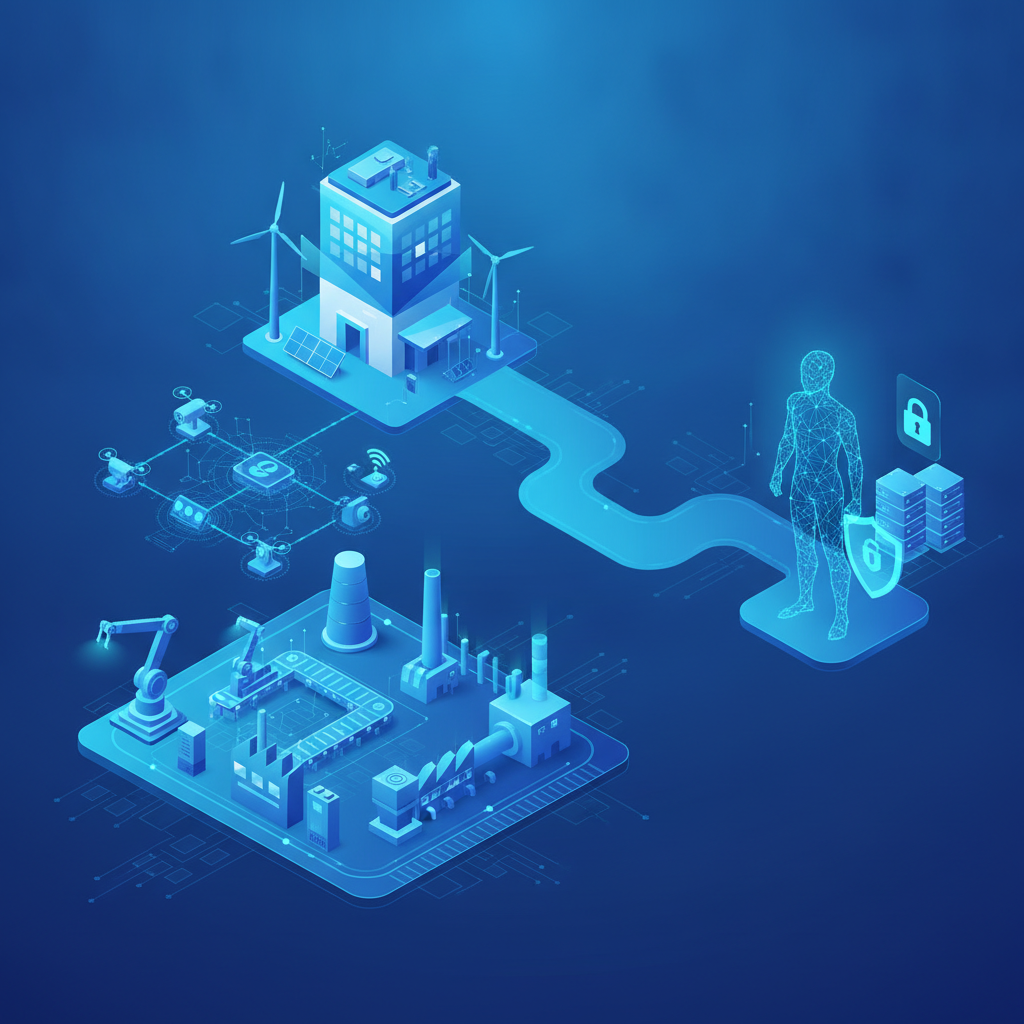
The convergence of IT and OT is no longer confined to power grids and wastewater facilities; it is happening across modern commercial real estate. Smart buildings rely heavily on distributed controllers, IoT sensors, and industrial protocols to orchestrate HVAC, vertical transport, and lighting. Unfortunately, many facilities lack on-site teams with specialized ICS security expertise to continuously monitor these field networks.
This operational vulnerability highlights the necessity of intelligent management architectures. Cloud platforms like BAaaS.io solve this operational challenge by providing centralized control, real-time telemetry, and automated environmental adjustments within a unified ecosystem. By integrating robust authentication, role-based access control, and proactive maintenance tools, BAaaS.io secures critical building automation services against unauthorized interventions while maintaining tenant comfort and peak energy efficiency.
Conclusion
Operational technology demands a holistic perspective that bridges cybersecurity forensics with physical process engineering. Whether analyzing industrial packet captures in a CTF or safeguarding a portfolio of intelligent properties, tools and scripts are only half the equation. Long-term operational resilience depends on cultivating deep architectural context and deploying intelligent automation platforms that protect physical infrastructure from edge to cloud.