
Industrial facilities and modern commercial enterprises are under intense operational pressure to transform raw machine telemetry into actionable intelligence. Engineering teams require real-time visibility into asset health, while enterprise systems demand high-fidelity data streams from legacy field equipment. However, achieving seamless integration across operational technology (OT) and enterprise IT is rarely straightforward, particularly when brownfield sites harbor decades of disparate communication standards.
Bridging this architectural divide requires a move away from fragile, unmanaged point-to-point connections. By treating industrial connectivity as a strategic infrastructure layer rather than an afterthought, organizations can protect critical control loops, streamline analytics, and establish a resilient operational backbone.
The Interoperability Challenge: Bridging Legacy Modbus and Modern Protocols
Industrial landscapes rarely modernize overnight. In both manufacturing plants and smart buildings, critical operations often rely on fieldbuses like Modbus RTU, Modbus TCP, and legacy OPC DA running side by side with modern MQTT and OPC UA brokers. A wholesale replacement of functional mechanical equipment and field controllers simply to unify communications is economically non-viable and operationally disruptive.
Instead of pursuing a high-risk rip-and-replace strategy, progressive facilities prioritize protocol interoperability. Deploying specialized integration layers allows established building automation and control hardware to coexist with cloud platforms, transforming disparate protocols into structured, contextualized data without destabilizing underlying industrial operations.
Decoupling OT and IT with a Unified Data Layer
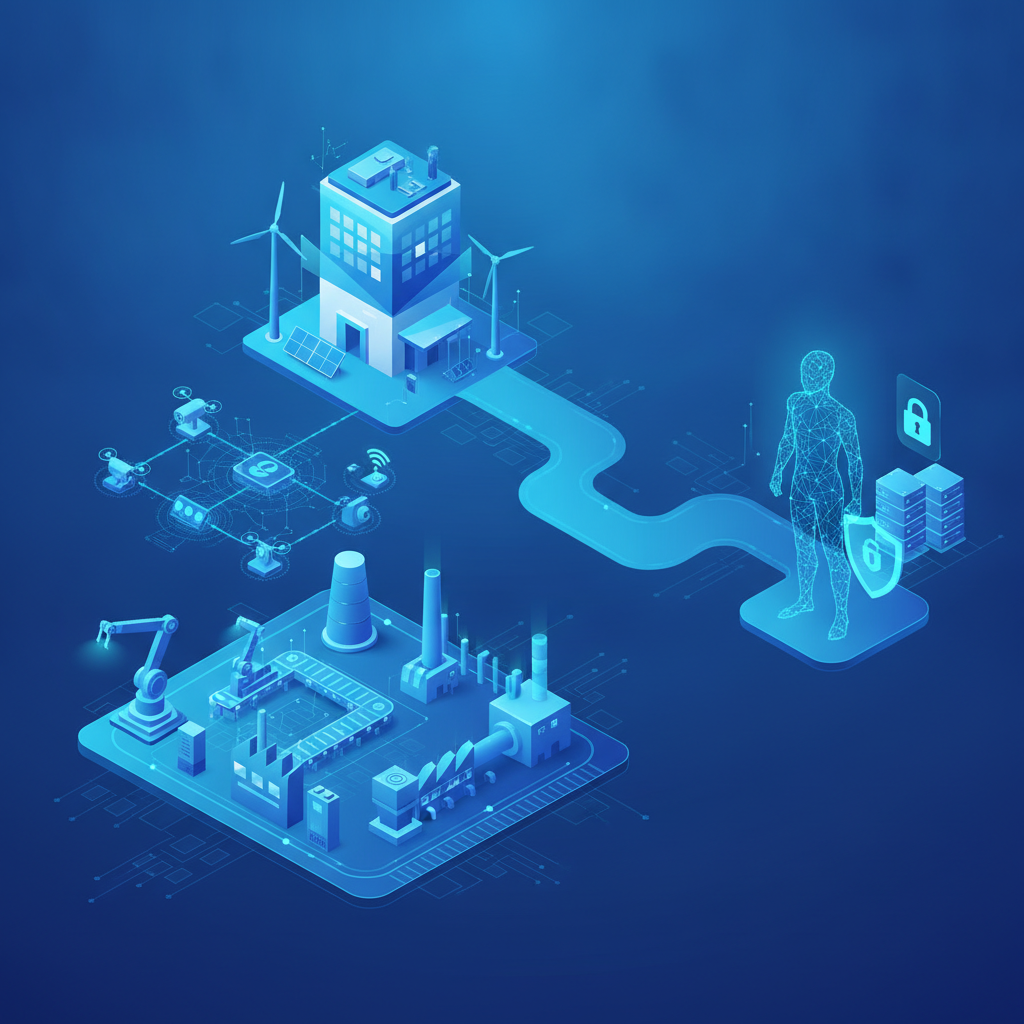
Exposing programmable logic controllers (PLCs), remote terminal units (RTUs), or supervisory control systems directly to enterprise networks introduces severe latency risks and operational instability. A well-engineered architecture establishes a dedicated middleware layer that separates the systems generating control data from the applications consuming it.
This decoupled approach transforms how organizations handle building automation and facility telemetry. For example, cloud-native solutions like BAaaS.io leverage this architectural model to ingest multi-source field data securely, powering centralized control, automated environmental adjustments, and proactive maintenance across smart buildings without requiring business applications to poll field devices directly.
By abstracting field-level interfaces through managed gateways and intelligent services, operators can introduce advanced analytics and energy-saving algorithms while preserving deterministic control at the machine level.
Embedding ICS Security and Resilience into Connected Architectures
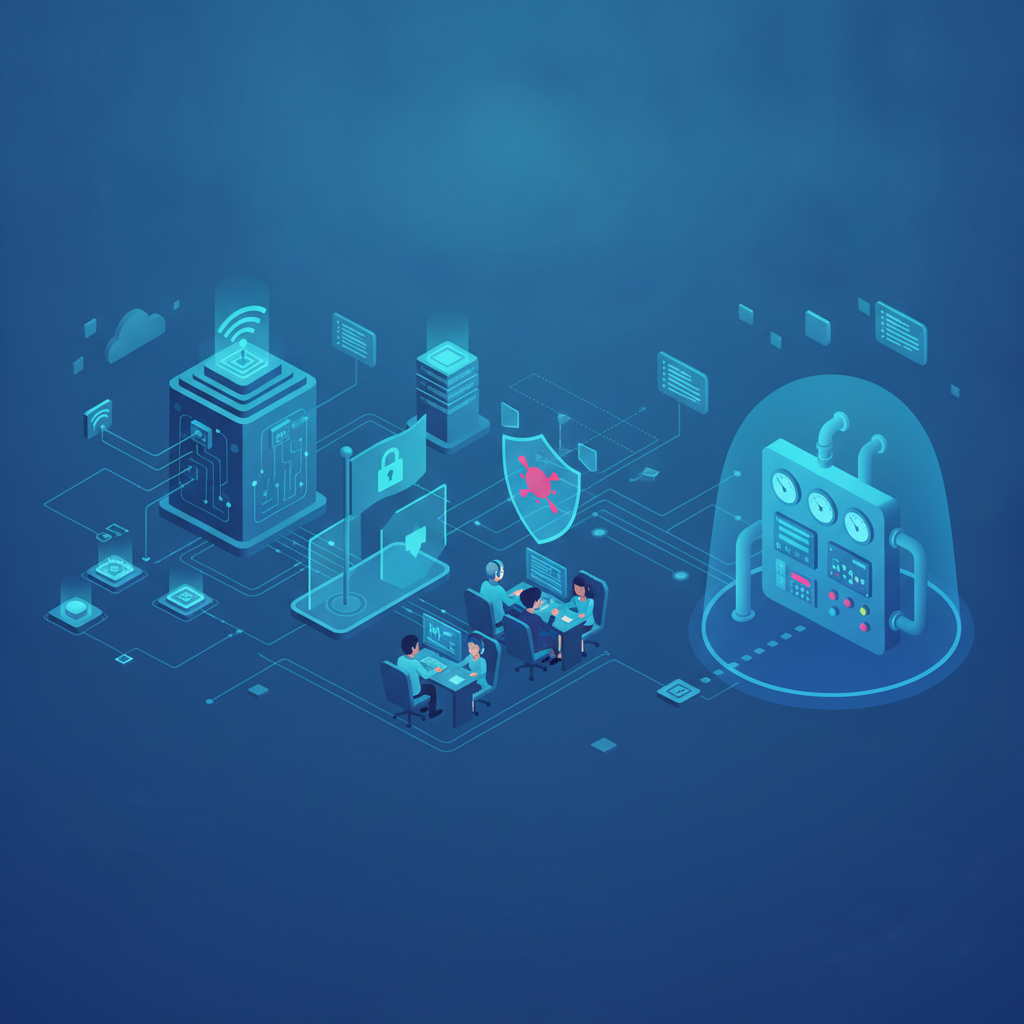
Opening connectivity pathways across operational boundaries raises immediate ICS security concerns. Industrial automation and building management equipment were historically engineered for functional reliability rather than hostile network environments, making perimeter defense and strict data governance non-negotiable.
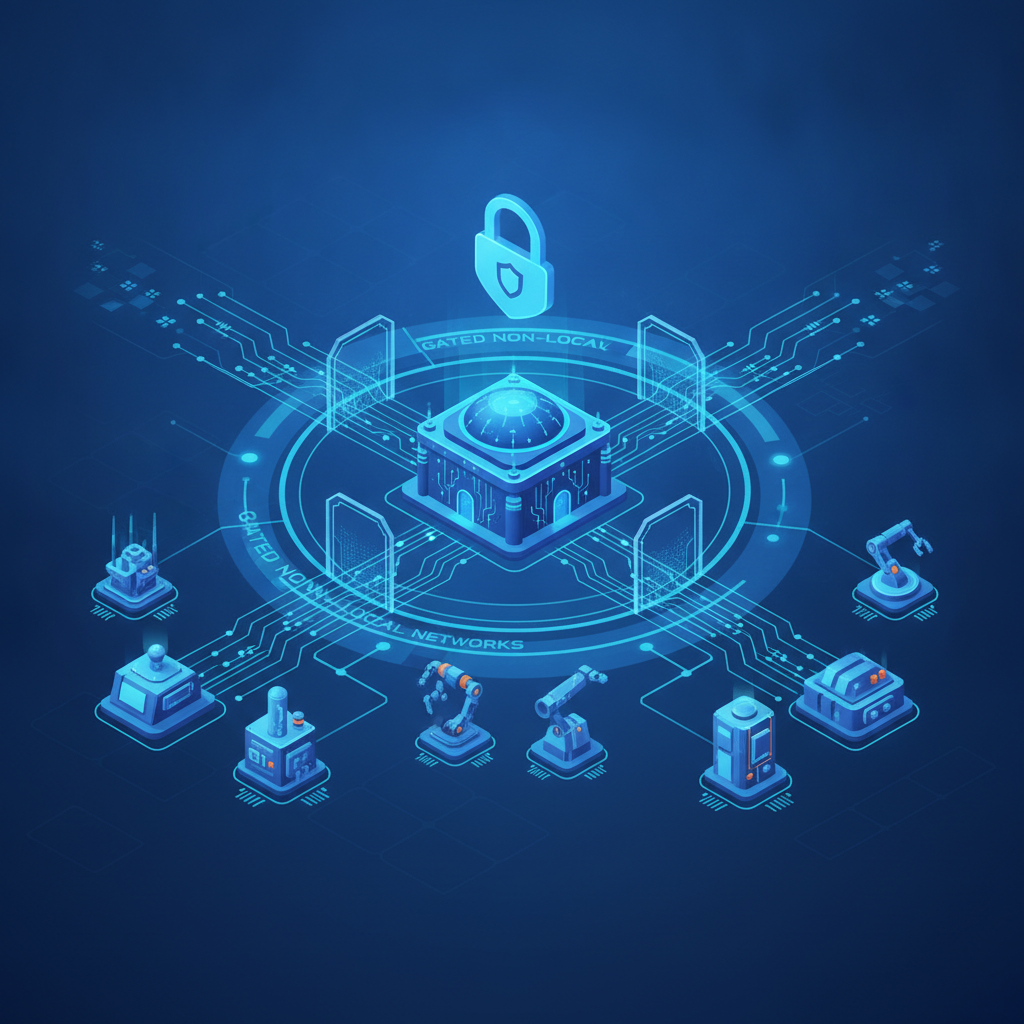
Robust implementations enforce deep network segmentation, least-privilege role-based access, and unidirectional data diode strategies where appropriate. Establishing well-defined protocol translation zones prevents external corporate traffic or Internet-facing services from compromising mission-critical field control loops.
System resilience must also withstand real-world packet loss, network drops, and power disruptions. Architectures that integrate local edge buffering, robust reconnect handling, and continuous health telemetry ensure operational visibility remains intact even during wide-area network outages.
Conclusion
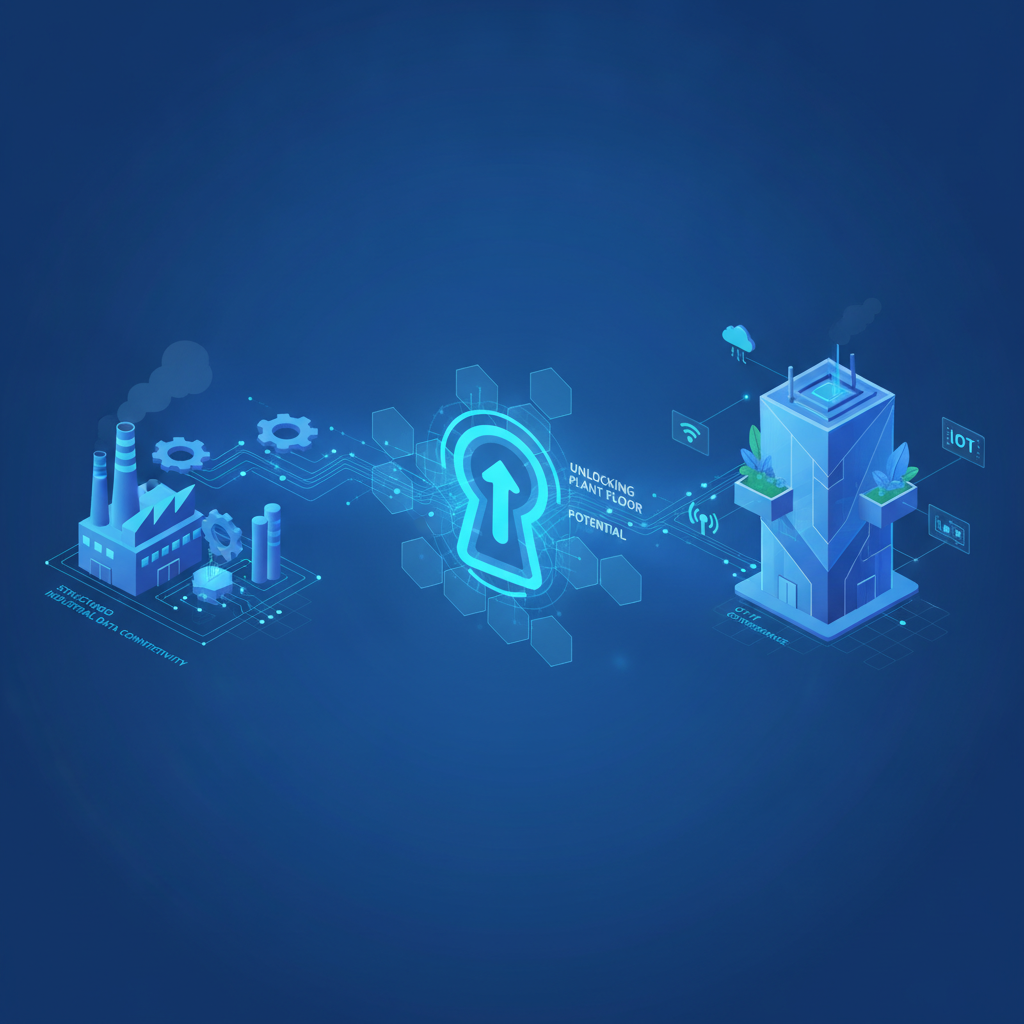
True operational modernization is not about maximizing the total number of connections; it is about engineering secure, governed, and scalable data pipelines. By harmonizing legacy Modbus controllers, modern industrial middleware, and cloud ecosystems such as BAaaS.io, organizations can successfully unlock the full business value of their operational data while safeguarding critical infrastructure.