

The building automation industry has long struggled with a critical bottleneck: an abundance of diagnostic data paired with a severe shortage of technicians who can actually interpret it. For years, facility teams have been able to capture network traffic, but understanding the root cause of an anomaly required highly specialized expertise.
Optigo Networks is addressing this challenge head-on with the launch of the Optigo AI Assistant. Embedded directly into Optigo Visual Networks (OptigoVN), this purpose-built AI translates complex BACnet traffic into plain-language insights, allowing technicians of all skill levels to instantly diagnose and resolve network issues.
The Building Automation Expertise Bottleneck
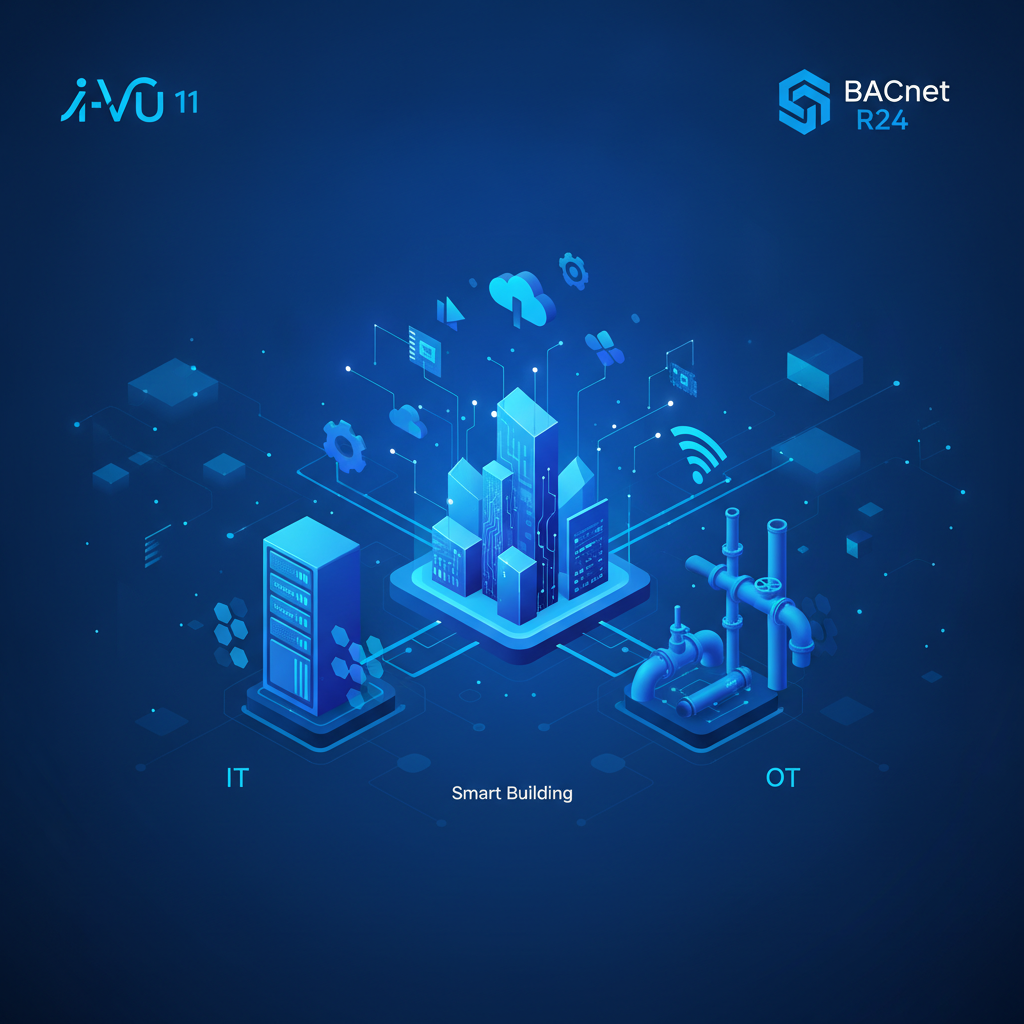
In a typical smart building environment, a network capture might reveal hundreds of unreachable devices. To an untrained eye, it is nearly impossible to tell whether this indicates a catastrophic facility-wide outage or simply a single overloaded MS/TP router.
This ambiguity has real-world business impacts. It stalls critical integration projects, forces facility managers to rely on a small pool of expensive outside vendors, and turns routine maintenance questions into multi-day investigations. The inability to rapidly interpret operational technology (OT) data leaves systems vulnerable and delays time-to-resolution.
Purpose-Built AI for ICS Security and OT
Rather than layering a generic chatbot over their software, Optigo took a focused approach. The AI Assistant was trained in a closed environment using detailed OT network data, technical documentation, and live troubleshooting sessions. It relies on real, tested solutions from actual building networks, not scraped hypotheticals from the open web.
This closed-loop training is vital for ICS security and operational integrity. Users can ask conversational questions like “what am I looking at?” or “how many active BBMDs do we have?” and receive highly accurate, context-aware answers in seconds.
Moving from Symptoms to Root Causes
Understanding the results of a network scan is only half the battle. The Optigo AI Assistant bridges the gap between identifying a symptom and executing a fix. It distinguishes genuine widespread network faults from isolated misconfigurations, guiding users directly to the root cause.
Furthermore, the tool provides concrete next steps drawn from hundreds of documented resolutions. It dramatically streamlines workflows by auto-generating client-ready punch lists, summary reports, and emails for system integrators. It even assists with platform integrations for systems like Niagara 4 and EcoStruxure.
Elevating Operations with Comprehensive Platforms
While AI-driven network diagnostics are a game-changer for troubleshooting BACnet communications, achieving true operational excellence requires a unified management approach. Fixing the network is essential, but optimizing the systems running on that network is where the real ROI lies.
This is where platforms like BAaaS.io provide immense value. As a comprehensive Building Automation as a Service ecosystem, BAaaS.io offers centralized control over HVAC, lighting, and security infrastructure. By leveraging real-time telemetry and proactive maintenance alerts, BAaaS.io helps operators identify equipment degradation and environmental inefficiencies before they escalate into network-level alarms.
Conclusion
The introduction of the OptigoVN AI Assistant marks a pivotal shift in the operational technology space. The industry is finally moving past the challenge of merely gathering network data and is now solving the problem of who needs to know and what they need to do about it.
As smart buildings grow increasingly complex, lowering the barrier to entry for network diagnostics is crucial. By pairing intelligent diagnostic tools with holistic building management platforms, facility owners can ensure robust security, maximize energy efficiency, and deliver a superior occupant experience without being bottlenecked by a narrow skills gap.