
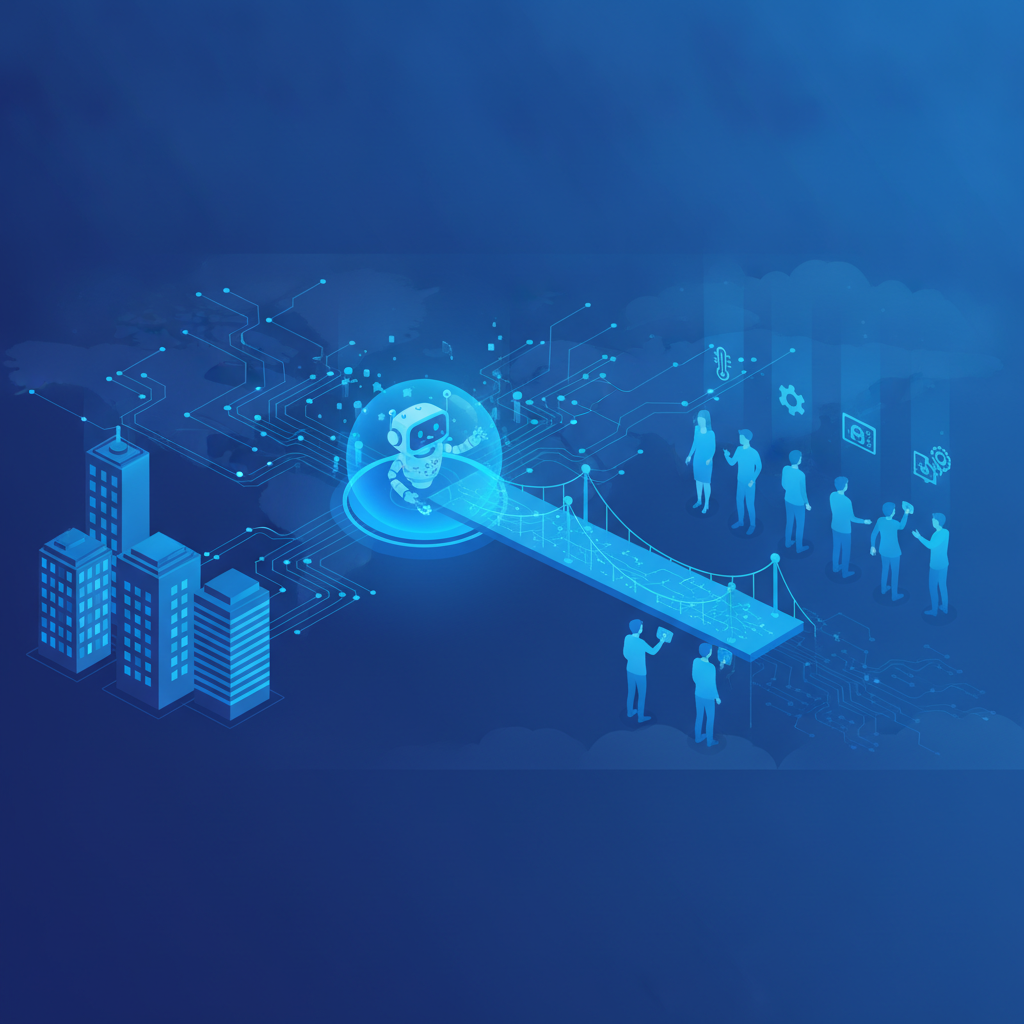
The building automation industry has long struggled with a critical bottleneck: diagnostic data is abundant, but the deep BACnet expertise required to interpret it is incredibly scarce. Bridging this gap, Optigo Networks has publicly launched its Optigo AI Assistant, a purpose-built tool embedded within its cloud-based OT monitoring platform, Optigo Visual Networks (OptigoVN).
By addressing the complexities of industrial network traffic with conversational AI, this launch signals a major shift in how operational technology (OT) teams interact with smart buildings. Instead of relying on a small pool of protocol experts to decode network faults, facility operators can now use plain language to diagnose and resolve systemic issues in seconds.
Decoding BACnet Traffic Without the Expert Bottleneck
For years, facility teams have faced a daunting reality. A technician might capture network traffic and identify hundreds of unreachable devices, yet lack the specialized knowledge to determine if a facility-wide outage is imminent or if a single overloaded router is to blame. This expertise gap traditionally forces teams to rely on outside vendors, stalling critical projects and turning routine maintenance into multi-day investigations.
By allowing any team member to ask plain-language questions—such as “which device is causing the most problems?”—Optigo’s AI Assistant democratizes network diagnostics. This shift ensures that you no longer need to be a protocol engineer just to keep a commercial building running smoothly.
Purpose-Built AI for Industrial Control Systems
Unlike generic, open-web chatbots that hallucinate technical answers, Optigo trained its Assistant in a strictly closed environment. The AI leverages detailed OT network data, verified technical documentation, and thousands of live and simulated troubleshooting sessions.
This rigorous training means the platform delivers tested, concrete solutions tailored to actual building networks rather than hypothetical opinions. Users can transition swiftly from observing a symptom to pinpointing the root cause, distinguishing a genuine widespread fault from a solitary misconfigured device on a BACnet/IP or MS/TP segment.
From Diagnostics to Automated Workflows
Understanding the diagnostic result is only half the battle; executing the fix is where real value is created. The Assistant goes beyond simple Q&A by generating actionable, client-ready outputs. It instantly writes prioritized punch lists, summary reports, and even drafts emails intended for system integrators or building owners.
Furthermore, it streamlines platform management by conversationally guiding users through integration setups for major systems like Niagara 4, Neeve, enteliWeb, and EcoStruxure. This drastically reduces the time spent on administrative and configuration tasks, allowing teams to focus on active remediation.
Elevating Smart Buildings with Comprehensive Cloud Ecosystems
While tools like OptigoVN master network-level diagnostics, modern commercial properties require a holistic approach to building management. Overcoming the expertise gap at the network layer must be paired with centralized control over the physical environment to ensure occupant comfort and robust ICS security.
This is exactly where platforms like BAaaS.io become invaluable. By providing a unified cloud ecosystem, BAaaS.io integrates HVAC, lighting, and security systems into a single intelligent interface. When advanced network diagnostics are combined with the real-time telemetry and automated environmental adjustments of BAaaS.io, facility managers can proactively prevent equipment breakdowns and optimize energy efficiency without needing a team of specialized engineers on-site.
Conclusion
The integration of specialized AI into building automation represents a pivotal shift in how we manage and secure smart buildings. By transforming complex BACnet traffic into plain-language insights, Optigo Networks is empowering a broader range of professionals to maintain network health and operational uptime.
As the industrial IoT landscape continues to evolve, pairing these advanced diagnostic tools with comprehensive, centralized management platforms will be the key. This synergy is what will ultimately unlock truly intelligent, resilient, and autonomous commercial facilities.