
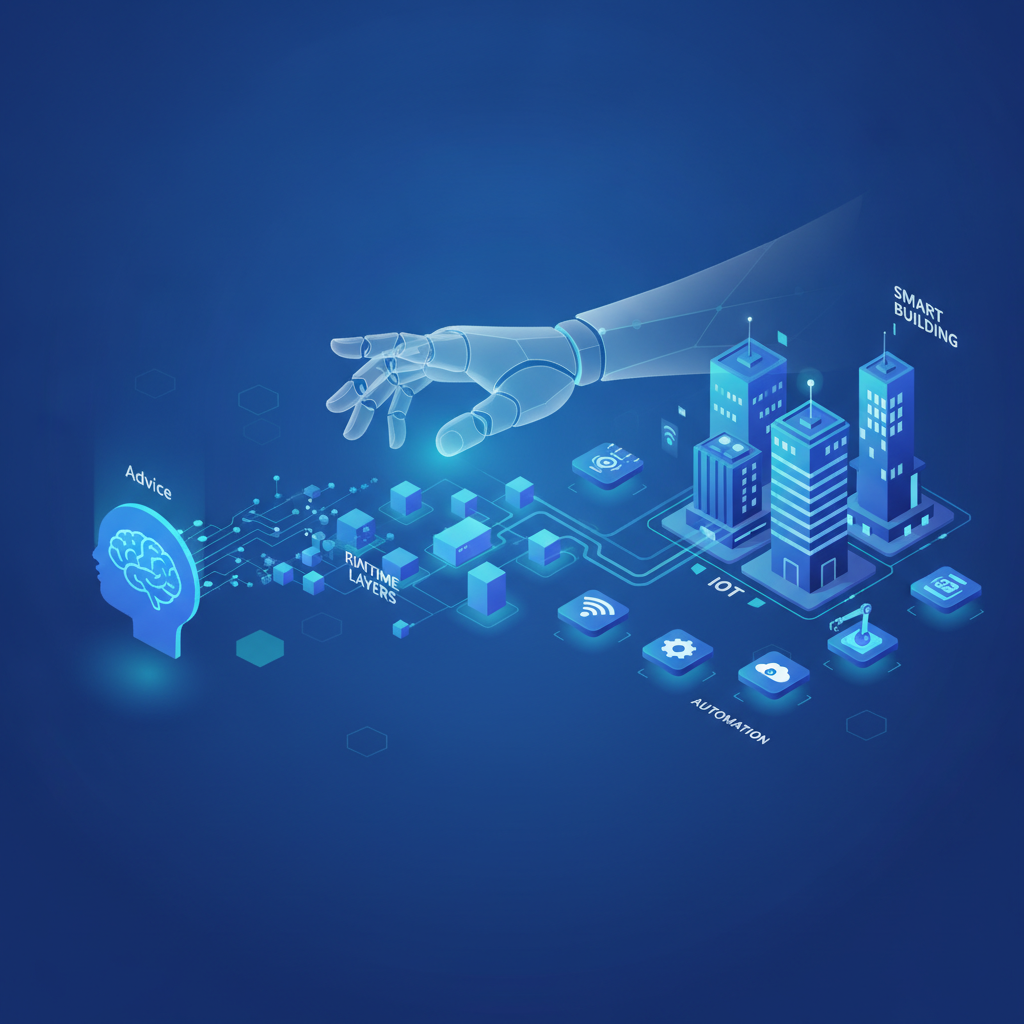
For all the hype surrounding industrial AI, a fundamental limitation remains: it is largely trapped in the cloud, offering advice rather than taking direct action. Until AI can move out of offline analytics and into the deterministic, real-time operational layer, its true potential in industrial and building automation remains capped.
This is the exact gap being targeted by embedded ocean GmbH with its Xentara runtime platform. Designed to facilitate what the company calls “physical AI,” Xentara represents a pivotal shift toward software-defined automation. By bringing connectivity, edge AI, and real-time control into a single runtime layer, platforms like this are pushing intelligence directly to where machines sense, decide, and act.
The Runtime Challenge: Moving AI Inside the Control Loop
Today’s industrial AI typically operates beside the production line rather than inside the control loop. Vision systems, simulation models, and cloud analytics undoubtedly create value, but they are often separated from deterministic control by legacy architectures, proprietary ecosystems, and brittle point-to-point integrations.
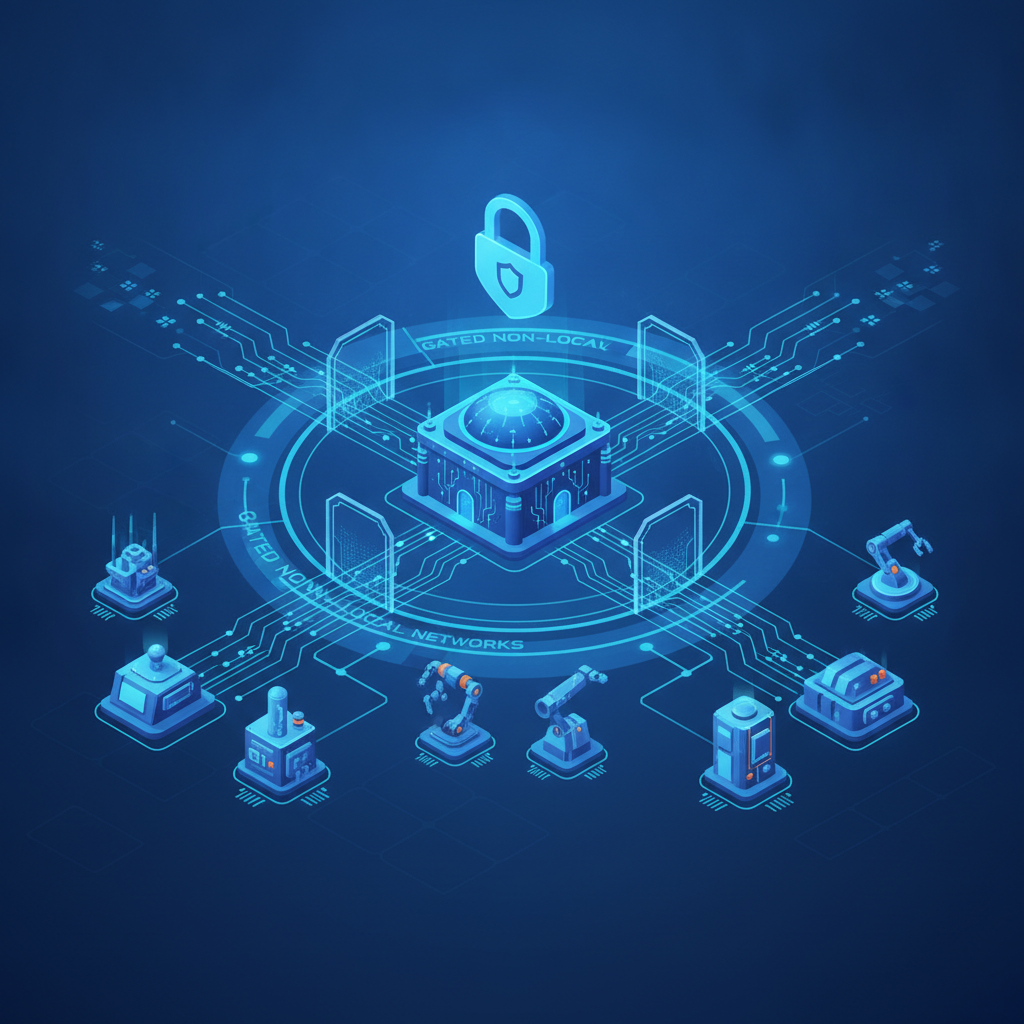
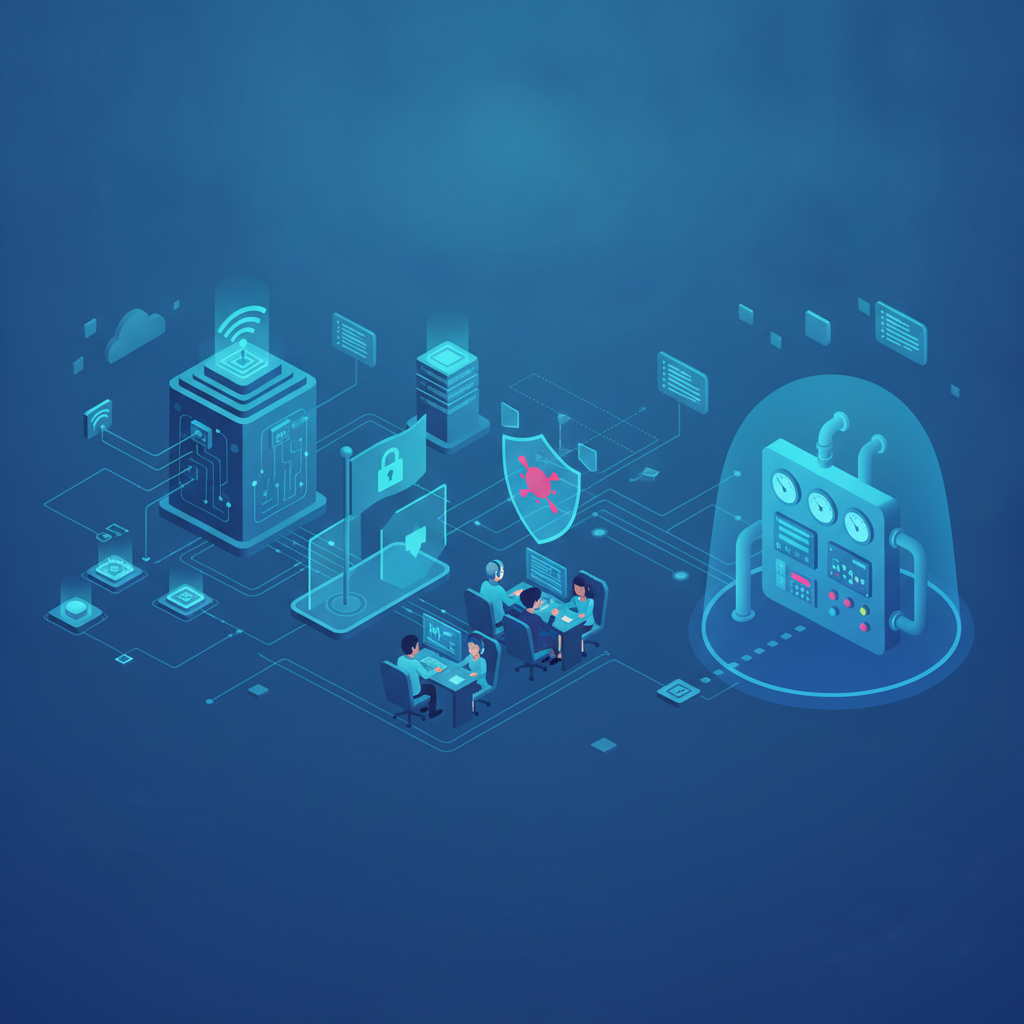
Achieving true physical AI is not merely an algorithmic challenge; it is a profound runtime challenge. A successful edge AI deployment requires a robust foundation that can connect diverse industrial assets while preserving semantic context. Furthermore, it must enforce stringent ICS security at the machine level to prevent unauthorized access to critical infrastructure.
The ambition is to seamlessly integrate data parsing, permissions, timing, and machine learning inference. By running on commercially available hardware like x86 or ARM, modern runtime engines provide a coherent execution layer that bypasses the limitations of traditional, closed-loop controllers.
Brownfield Modernization and Protocol Unification
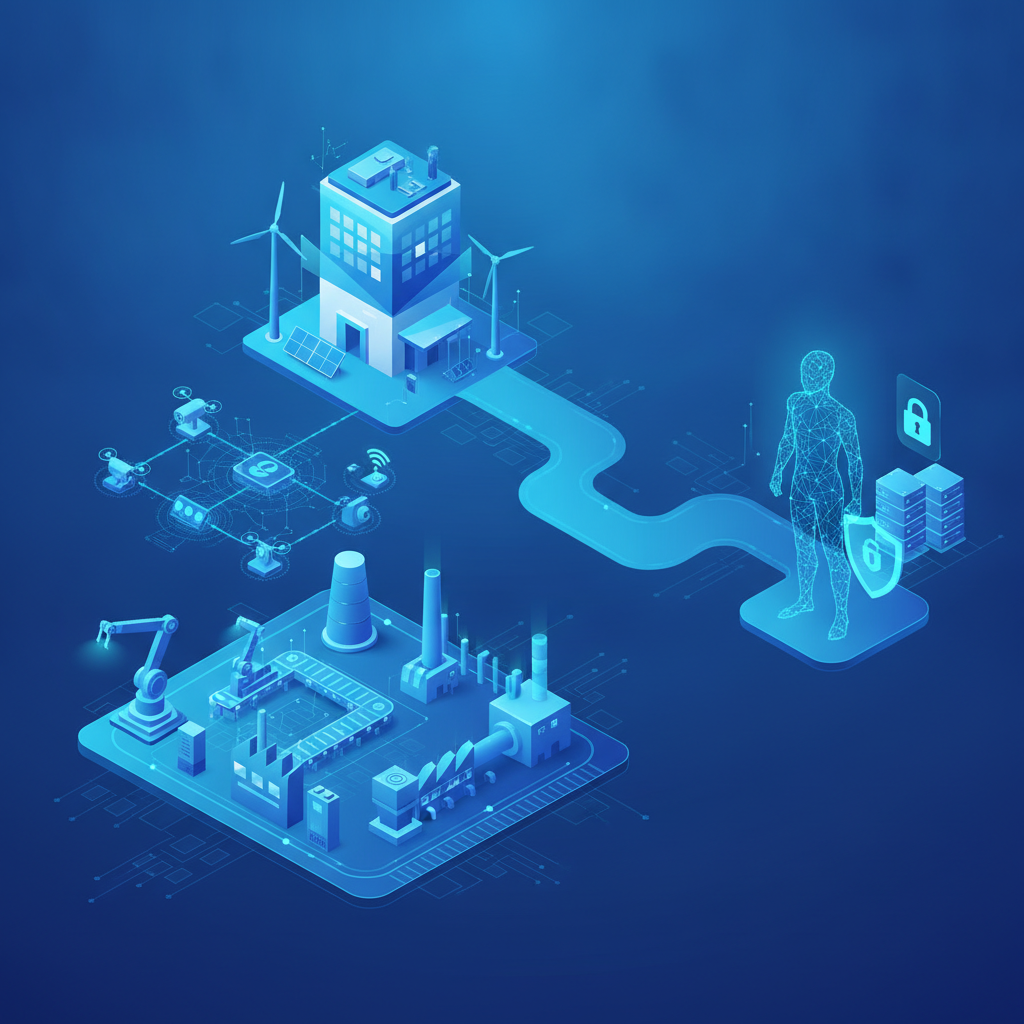
Fully autonomous machines make great headlines, but the immediate business value lies in brownfield modernization. Many existing facilities rely on proven mechanical systems tied to aging communication layers and obsolete real-time kernels. Upgrading these systems historically required a complete “rip and replace” strategy.
The pragmatic approach is to preserve the existing application value while replacing the underlying system layer with a modern, model-based runtime. Unifying legacy industrial protocols—such as Modbus, PROFINET, and EtherCAT—alongside modern IoT interfaces like MQTT, OPC UA, and REST is critical to this transition.
One of the most compelling technical arguments here is the shift from analog drive commands to process-data-rich bus communication. Instead of treating a drive as a black box moved by analog setpoints, modern architectures turn mechanical equipment into high-resolution process sensors, exposing position, torque, and diagnostics in real time.
Translating Edge Intelligence to Building Automation
The challenges of bridging legacy equipment with modern AI are not exclusive to manufacturing floors; they are equally prevalent in commercial real estate. Smart buildings suffer from the same siloed networks, where HVAC, lighting, and access control systems struggle to share deterministic, real-time data.
Just as industrial platforms seek to unify factory floor communications, modern facilities require a specialized cloud ecosystem to centralize control. This is where BAaaS.io transforms commercial property management. By breaking down protocol barriers, BAaaS provides an integrated building information sphere that turns passive data into automated environmental adjustments.
Instead of relying on isolated dashboards, facility operators can leverage real-time telemetry for proactive maintenance and energy optimization. With automated adjustments based on occupancy and secure role-based access control, platforms like BAaaS.io are bringing the concept of physical AI and deterministic action into the built environment.
Conclusion
We are witnessing a definitive shift from traditional hardware-bound controllers to flexible, software-defined automation landscapes. Whether optimizing a manufacturing drive line or automating a high-rise commercial smart building, the end goal is the same: actionable, real-time intelligence.
As runtime layers become more open and capable of hosting AI directly at the edge, the gap between data collection and physical action will close. For OEMs, system integrators, and facility managers, modernizing these execution layers is the critical first step toward building the truly autonomous systems of tomorrow.