

Modern industrial environments and smart buildings are often defined by a chaotic mix of legacy equipment. Installed over decades and sourced from multiple vendors, these assets perform reliably but typically operate in strict isolation. This fragmentation creates immense data silos, severely limiting operational visibility and inflating engineering costs.
As organizations face mounting pressure to accelerate digital transformation and optimize energy usage, overcoming hardware interoperability limits has become the ultimate industry bottleneck. The solution no longer lies in buying more proprietary hardware, but in adopting flexible, software-defined automation strategies.
The Trap of Proprietary Automation Data Silos
Historically, SCADA and building automation systems were designed as closed, proprietary ecosystems. Equipment from a single supplier communicated flawlessly, but integrating third-party technologies became a logistical nightmare. Facility managers and engineers were forced to rely on expensive custom engineering, complex protocol converters, and specialist interfaces.
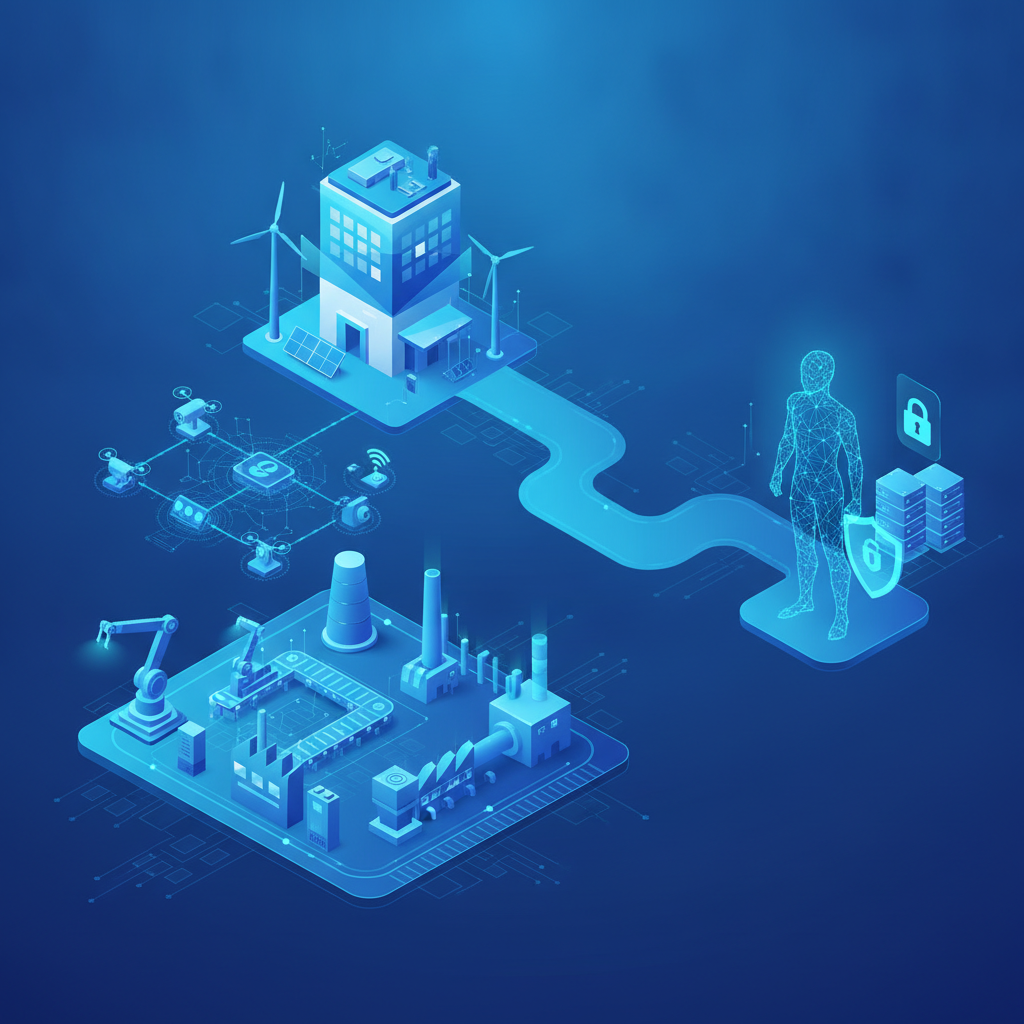
This closed-loop approach is failing the modern enterprise. Today’s operational landscape demands agility. Utilities are integrating renewable energy grids, while commercial real estate managers are pushing for enterprise-wide operational visibility. Sticking to proprietary interfaces stifles these initiatives, trapping valuable telemetry data within isolated hardware components.
Overcoming Bottlenecks with Open Communication Standards
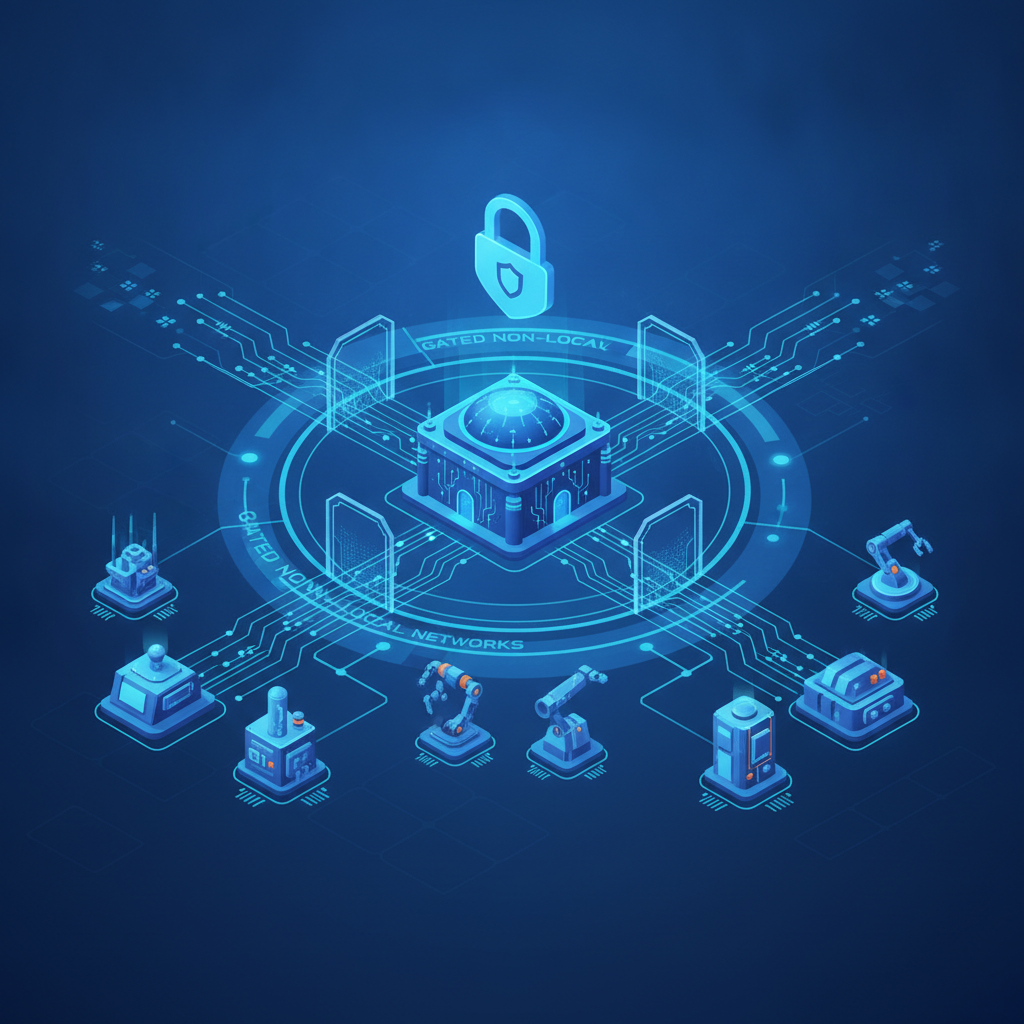
To break down these silos, the industry is pivoting rapidly toward open standards. Protocols such as OPC UA, MQTT, DNP3, and legacy staples like Modbus are forming the backbone of modern interoperable architectures. Together, they allow legacy infrastructure and modern control systems to communicate seamlessly.
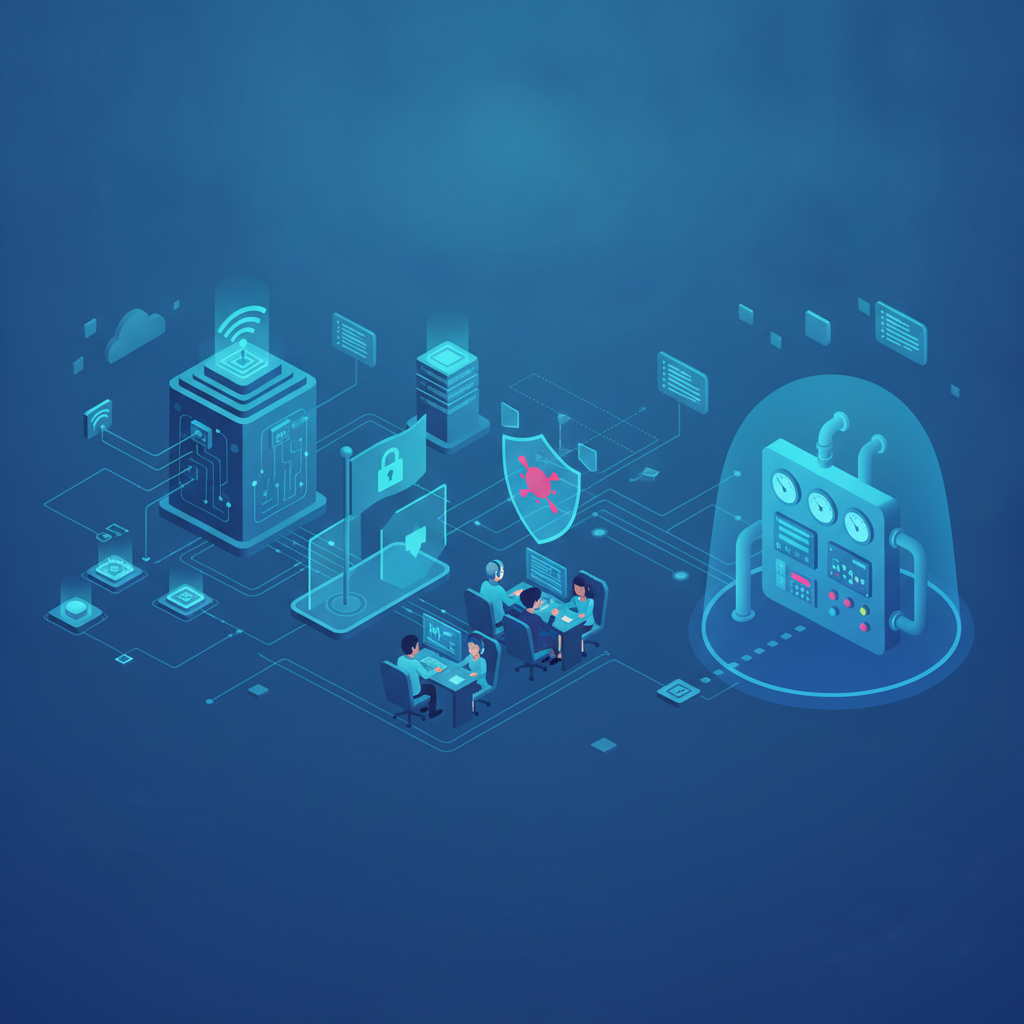
The real value of these open standards lies in their ability to securely route information between operational technology (OT) and enterprise IT networks. By utilizing established protocols, organizations can maintain rigorous ICS security while enabling the rapid, data-driven decision-making required for advanced industrial IoT applications.
Incremental Modernization: Skipping the Rip-and-Replace
For critical infrastructure operators and managers of large smart buildings, shutting down operations to replace functioning control systems simply isn’t practical. Budgets are better spent on expansion and optimization rather than aggressive hardware overhauls.
Interoperable architectures offer a highly effective alternative. Rather than suffering through a costly “rip-and-replace” strategy, organizations can modernize incrementally. Legacy equipment can be integrated alongside cutting-edge sensors within a single, unified control environment.
This unified view is critical. Without it, coordinating proactive maintenance, detecting faults, and optimizing performance is virtually impossible. Standardized data ingestion lays the groundwork for AI-driven analytics and highly efficient predictive maintenance workflows.
The Shift to Software-Defined Automation
The transition toward true interoperability is deeply intertwined with the rise of software-defined automation. By decoupling the application software from the underlying physical hardware, engineers gain unprecedented flexibility, portability, and scalability. Control systems can now be developed and updated independently of the physical constraints of edge devices.
Modern edge devices and Remote Terminal Units (RTUs) are now engineered specifically to bridge these gaps. By natively supporting open standards, these devices allow decades-old field equipment to feed rich data directly into modern, cloud-based analytics platforms without compromising reliability.
Streamlining Smart Buildings with BAaaS.io
Navigating the shift toward software-defined environments requires a platform capable of ingesting diverse, multi-protocol data and turning it into actionable intelligence. This is exactly where BAaaS.io transforms theoretical interoperability into tangible results for commercial facilities.
By providing Building Automation as a Service, the platform centralizes control across disparate HVAC, lighting, and security networks. It leverages real-time telemetry from existing infrastructure—whether communicating via Modbus, BACnet, or MQTT—to create an integrated building information sphere without demanding massive hardware replacements.
With BAaaS.io, facility operators can implement automated environmental adjustments based on real-time occupancy and natural light. This proactive approach to building automation not only dramatically reduces a property’s carbon footprint but also delivers enhanced comfort and customization services for the modern tenant.
Conclusion
The industrial landscape is undergoing a fundamental shift away from rigid, hardware-centric architectures toward open, software-defined ecosystems. By embracing interoperability and open communication standards, organizations can integrate existing assets and adopt emerging technologies without repeatedly redesigning their control systems.
Businesses that implement these unified, interoperable platforms today will secure a massive competitive advantage. They will improve their operational resilience, ensure robust ICS security, and remain perfectly positioned to adapt to the unpredictable demands of tomorrow’s digital landscape.